
Published on 25 August, 2026
DCO Launches a Study on Cooperative Digital Sovereignty and Artificial Intelligence in Collaboration with its Observer – Center for Technology and Society at FGV
New study provides a practical framework to help countries strengthen technological autonomy, resilience, and strategic cooperation across interconnected AI ecosystems
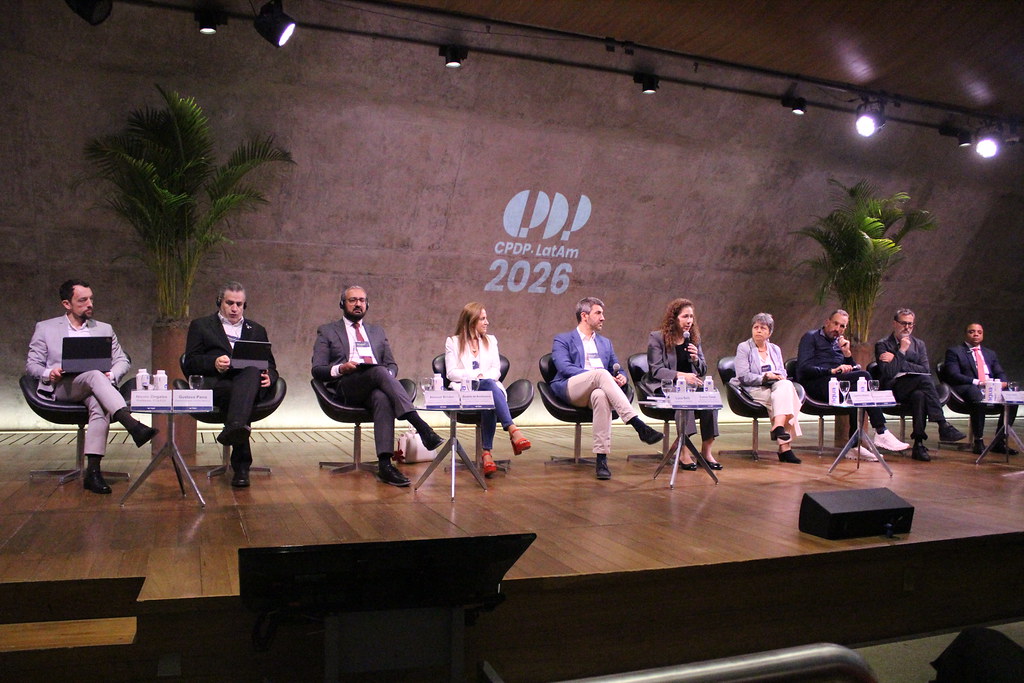
Rio de Janeiro, Federative Republic of Brazil, 13 August 2026— The Digital Cooperation Organization (DCO) today launched a study titled “Cooperative Digital Sovereignty and Artificial Intelligence: Promoting Resilience, Strategic Openness, and Self-Determination”, authored by Luca Belli, PhD, who is a Professor at the Fundação Getulio Vargas Law School (FGV), Rio De Jeneiro, Brazil.
The study was officially launched at the 2026 Computers, Privacy and Data Protection Latin America conference (CPDP LatAm 2026), during the closing plenary themed: Building Digital Sovereignty via Cooperation, Trade and Digital Infrastructure.
As AI infrastructure and capabilities become increasingly concentrated, the study argues that digital sovereignty in the AI era is unlikely to be achieved through isolation or full technological self-sufficiency. Instead, it calls for a more cooperative approach that enables countries to strengthen their technological autonomy, resilience, and preserve their sovereign rights while remaining meaningfully integrated within global digital and AI ecosystems.
The study introduces the concept of Cooperative Digital Sovereignty, defined as the capacity of states and societies to understand, develop, govern, and benefit from digital and AI systems, advancing their national priorities while fostering their technological autonomy, including leveraging open-source technologies , interoperability, and trusted cooperation.
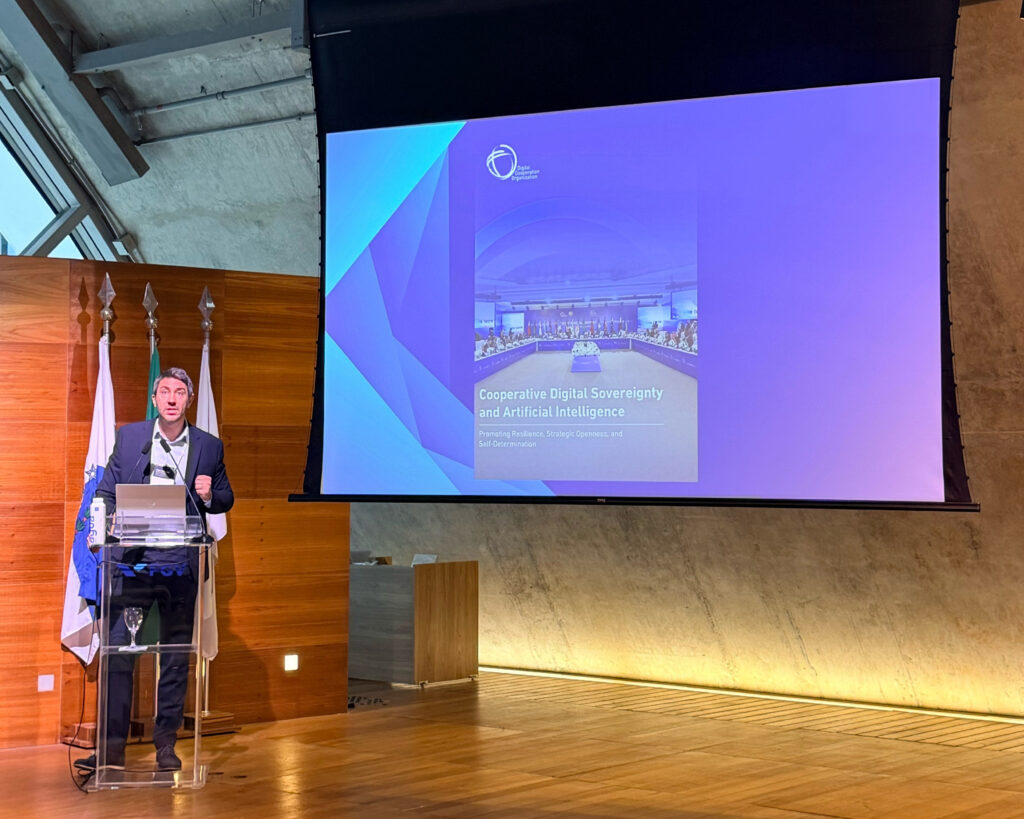
To translate the concept of Cooperative Digital Sovereignty into practical policy approaches, the study proposes the DCO Framework for Cooperative Digital Sovereignty, structured around multiple interconnected AI sovereignty enablers and implementation dimensions. Building on this framework, the study sets out recommendations for DCO Member States to strengthen technological autonomy while maintaining the benefits of international cooperation and global digital integration.
Ahmad Bhinder, Director of Digital Policy and Intelligence at the DCO, and co-author of the study said: “In the age of AI, sovereignty is too often mistaken for isolation. This study makes the opposite case: real digital sovereignty is capacity — the ability of a nation to govern, innovate and participate on its own terms — and for most countries, that capacity can only be built together. Cooperation is not the alternative to sovereignty; it is the precondition for it.”
Through this study, the DCO seeks to advance the global dialogue on Cooperative Digital Sovereignty and AI by providing practical recommendations to governments, policymakers, academia, and digital ecosystem stakeholders to strengthen technological autonomy and build trusted, resilient, and future-ready digital economies.
For more information and to access the full study, please visit: https://dco.org/cooperation-digital-sovereignty-and-atrificial-intelligence/ .
For media enquiries, please contact media@dco.org